Introduction
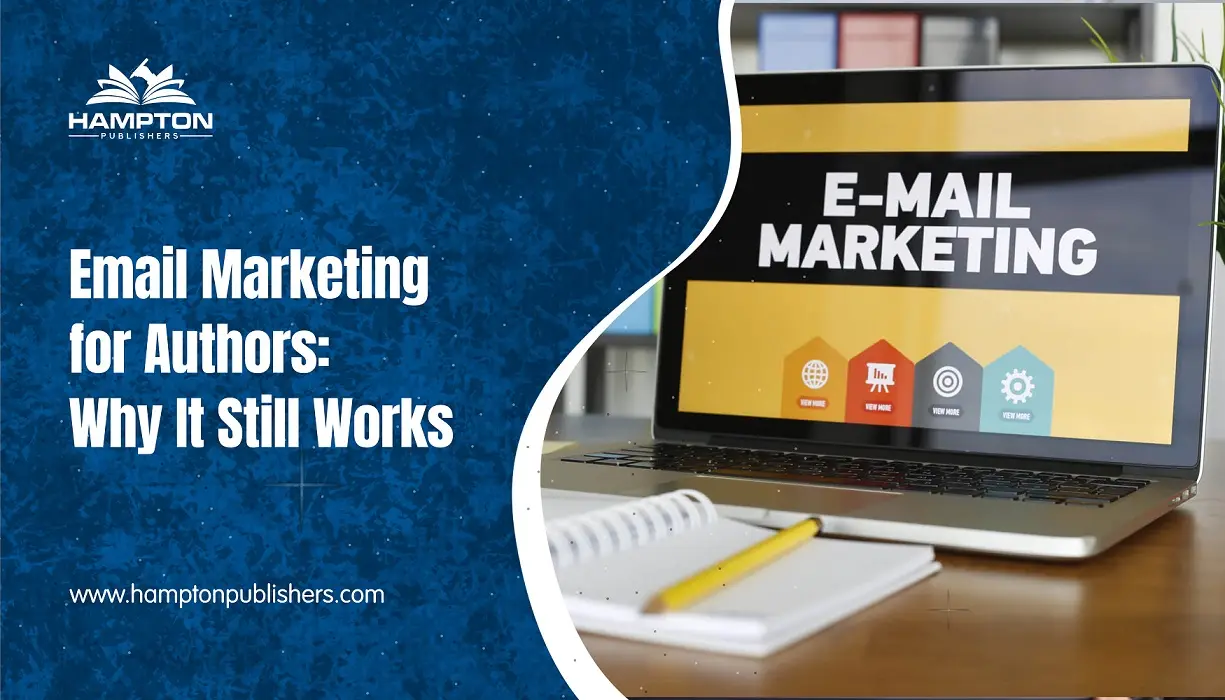
Email marketing remains one of the most reliable and effective tools for authors in 2026, even in a world dominated by social media trends and fleeting attention spans. Unlike social platforms, email lets authors reach their audience directly, ensuring higher engagement and that messages are actually read.
Email marketing for authors offers direct communication, high engagement, and ownership and is free from social media algorithms. You can build loyalty through a cost-effective way, boost your sales through targeted promotions, and gain a priceless understanding from an interested audience. All these aspects help authors in maintaining a strong connection with their readers, making sure that their messages are not ignored and fostering recurring sales of books and a devoted reader group.
Email marketing is a measurable and scalable tool that provides consistent ROI, making it a cornerstone of any author’s marketing strategy in 2026.
Why Email Marketing Still Works for Authors
1. Direct and Personal Connection
Email allows authors to build personalized, one-on-one relationships with readers. Through emails, authors can share:
-
Exclusive stories or chapters
-
Behind-the-scenes updates
-
Tailored book recommendations
E-E-A-T signal: Authors who consistently send meaningful content establish themselves as trusted voices in their genre.
2. Ownership and Control
Your email list is an asset you fully own, unlike social media followers. This ensures a stable, reliable, and trustworthy channel for readers to reach you, immune to algorithm changes or platform shutdowns.
3. High Engagement and ROI
Subscribers to author newsletters are already interested in your work, resulting in:
-
Higher open rates (average 20–25% higher than social media posts)
-
Increased click-through rates
-
Better ROI compared to paid ads or social media campaigns
Marketing stat: According to Campaign Monitor, email marketing has an ROI of $36 for every $1 spent, making it one of the most cost-effective marketing channels for authors in 2026.
4. Building a Loyal Community
Email transforms casual readers into dedicated fans who are more likely to:
-
Purchase future books
-
Leave positive reviews
-
Share your work with friends
By consistently delivering value, authors nurture a reader community that actively supports their work.
5. Targeted Promotions
Authors can use emails to run targeted promotions, including:
-
Book launches
-
Limited-time sales
-
New content announcements
This drives excitement, engagement, and boosts book sales among responsive readers.
6. Audience Insights and Feedback
Email campaigns provide a direct channel for feedback, surveys, and reader polls, allowing authors to:
-
Understand reader preferences
-
Refine writing style and content topics
-
Plan future book releases based on audience demand
7. Cost Effectiveness
Compared to other marketing methods, email marketing is highly affordable. The main costs include:
-
Email service provider fees
-
Design or content creation tools
Even with a modest budget, email campaigns can deliver high returns and consistent engagement.
Additional Tips to Maximize Email Marketing for Authors in 2026
-
Segment Your Audience: Divide subscribers by genre interest, past purchases, or engagement level.
-
Use Automated Campaigns: Schedule welcome emails, series emails, and promotions for consistent communication.
-
Include Strong Calls-to-Action: Encourage readers to purchase, review, or share your book.
-
A/B Test Your Emails: Optimize subject lines, email copy, and visuals for better open and click rates.
-
Combine with Social Media: Promote your newsletter on social platforms to grow your subscriber base.
FAQs
Q1: Why should authors use email marketing instead of social media?
Email marketing gives authors direct access to readers without relying on social media algorithms, ensuring messages are seen and engagement is high.
Q2: How often should authors send newsletters?
Ideally, send 1-2 emails per week or before major launches to maintain engagement without overwhelming readers.
Q3: Can email marketing increase book sales?
Yes. Targeted campaigns to an interested audience result in higher conversions, pre-orders, and repeat purchases.
Q4: Is email marketing cost-effective for self-published authors?
Absolutely. Email marketing requires minimal investment compared to paid ads and offers a measurable ROI, making it ideal for authors on a budget.
Conclusion
Email marketing continues to be one of the most powerful, cost-effective marketing tools for authors in 2026. It enables direct communication, fosters loyalty, builds communities, and drives consistent book sales.
At Hampton Publishers, we emphasize that email marketing is not optional but essential for authors seeking long-term success. Now authors can convert casual subscribers into dedicated fans who actively support their work by leveraging audience insights, targeted campaigns, and personalized messaging.